Buy wageningenuniversity.eu ?
We are moving the project
wageningenuniversity.eu .
Are you interested in purchasing the domain
wageningenuniversity.eu ?
domain@kv-gmbh.de · 0541-91531010
Buy wageningenuniversity.eu ?
What is a possible research question about genetics?
A possible research question about genetics could be: "How do specific genetic variations influence the risk of developing certain diseases such as cancer or Alzheimer's?" This question could lead to studying the relationship between genetic markers and disease susceptibility, potentially uncovering new insights into prevention and treatment strategies based on an individual's genetic profile. **
What is a possible research question related to genetics?
A possible research question related to genetics could be: "How do specific genetic variations contribute to the development of certain diseases, such as cancer or Alzheimer's?" This question could involve studying the role of specific genes or mutations in disease progression, as well as exploring potential genetic markers for early detection or personalized treatment options. By investigating the genetic basis of diseases, researchers can gain valuable insights into their underlying mechanisms and potentially develop more targeted therapies. **
Similar search terms for Genetics
Top-Angebote
Products related to Genetics:
-
Orion Gene Eating: The Story of Human Appetite by Dr Giles Yeo - Paperback Popular Science Book on Genetics, Appetite & Diet MythsGene Eating: The Story of Human Appetite is a thought-provoking book by Dr Giles Yeo, a Cambridge geneticist. In this book, Yeo delves into the biology behind hunger, cravings, and weight gain, drawing on two decades of genetic research. He explores the genuine biological mechanisms, including hormones, brain signalling, and inherited genetic variation, that shape how hungry we feel and how our bodies store energy. This book offers a science-backed perspective on appetite, metabolism, and obesity, making it an essential read for anyone looking for clarity on these topics. Written by Dr Giles Yeo, a molecular geneticist, Gene Eating is a well-researched and insightful book that provides a deeper understanding of the complex issues surrounding human appetite.2,99 £*Shipping: 2,99 £Secure redirect to the provider
-
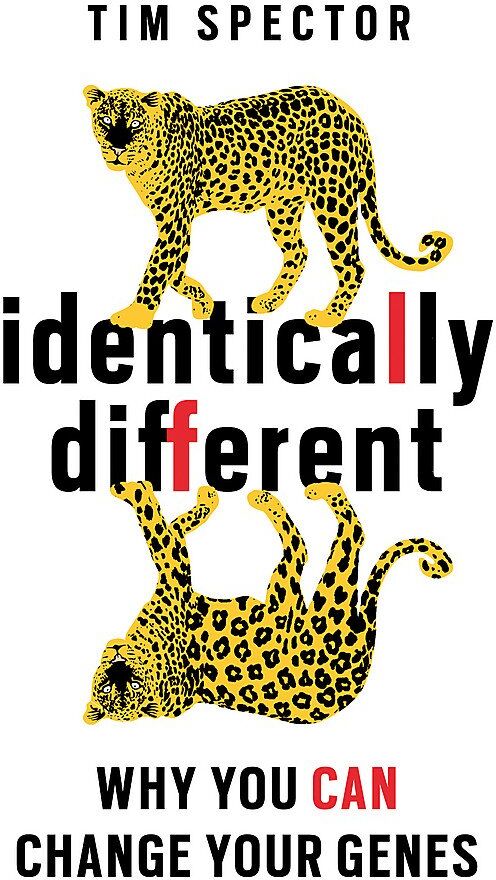
W&N (Weidenfeld & Nicolson) Professor Tim Spector 2 Books Collection Set - The Diet Myth & Identically Different - Paperback Science Books - Gut Health & GeneticsThis 2-book collection set brings together two of Professor Tim Spector's most acclaimed works of popular science. The Diet Myth explores the world of gut bacteria and why fad diets fail, while Identically Different investigates how genes are more flexible than once believed. The books form a compelling pairing for anyone interested in health, biology, and what shapes who we are. The Diet Myth challenges conventional wisdom on fat, calories, vitamins, and nutrients by examining the trillions of microbes living inside us. Drawing on cutting-edge science and the author's pioneering research, this collection offers a thought-provoking look at the complex relationships between our bodies and the world around us. The books are published by Weidenfeld & Nicolson and are in brand new paperback format.8,99 £*Shipping: 2,99 £Secure redirect to the provider
-
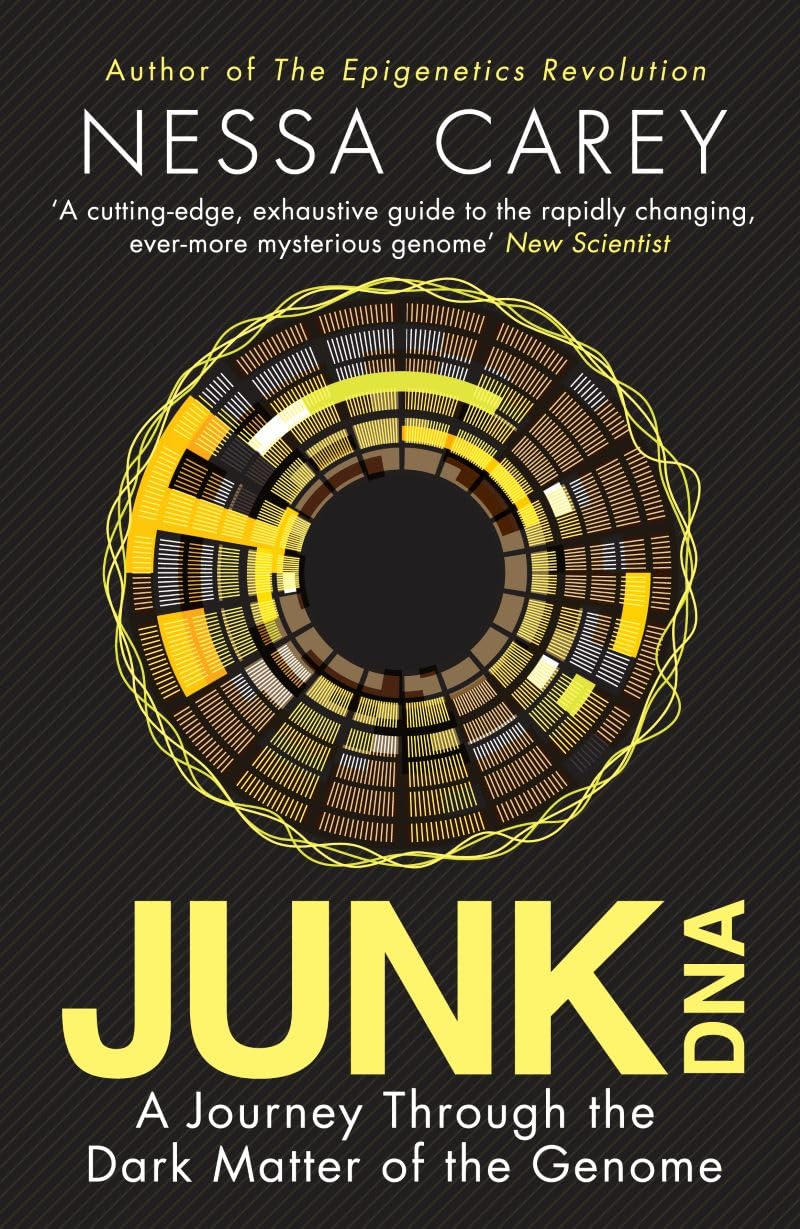
Icon Books Junk DNA: A Journey Through the Dark Matter of the Genome by Nessa Carey - Paperback Popular Science Book - Genetics, Ageing & Disease ExplainedExplore the fascinating world of genomics with Junk DNA: A Journey Through the Dark Matter of the Genome. Written by Nessa Carey, this acclaimed science book delves into the 98% of human DNA once considered functionless, revealing its surprising role in governing ageing, disease, viral defence, and complex traits. A perfect introduction to modern genomics for curious readers, this paperback is an engaging and accessible read for students, teachers, healthcare professionals, and science enthusiasts alike. For decades, scientists assumed that non-coding regions of the genome were evolutionary debris, but Carey's book guides readers through the research that has transformed our understanding of the non-coding genome, challenging this assumption and offering a fresh perspective on the subject.8,97 £*Shipping: 2,99 £Secure redirect to the provider
-
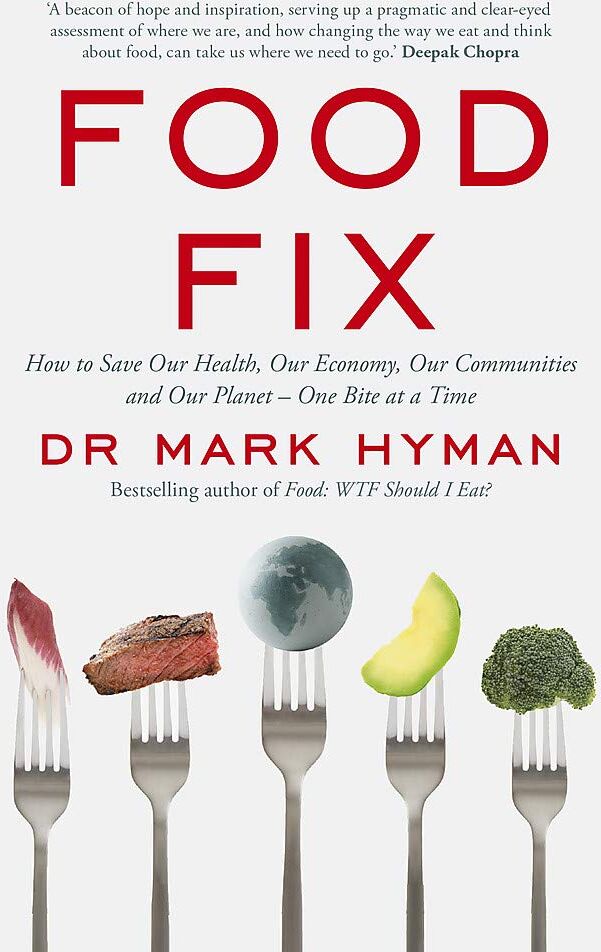
Yellow Kite Food Fix by Mark Hyman MD - Paperback - Food Policy, Health & Environment Non-Fiction BookFood Fix by Mark Hyman is a non-fiction paperback book that explores the connection between food and the crises facing society. Written by New York Times best-selling author and physician Mark Hyman, this book argues that fixing our broken food system could have a positive impact on our health, local economies, communities, and the planet. In Food Fix, Hyman lays bare how industrial food and agriculture systems are shaped by powerful financial interests, driving issues such as obesity and type 2 diabetes. This book is essential reading for anyone concerned about the intersection of food, health, and the environment.3,49 £*Shipping: 2,99 £Secure redirect to the provider


-
What is genetics?
Genetics is the study of genes, heredity, and variation in living organisms. It involves understanding how traits are passed down from one generation to the next through the transmission of genetic information. Genetics also explores the role of genes in determining an organism's physical and behavioral characteristics, as well as how genetic variations can lead to differences among individuals within a species. This field of science has important implications for medicine, agriculture, and evolutionary biology. **
-
Why are bacteria particularly suitable as research subjects in genetics?
Bacteria are particularly suitable as research subjects in genetics because they have a simple and well-understood genetic makeup, making it easier to study and manipulate their genes. They have a rapid reproduction rate, allowing for quick generation of large populations for genetic studies. Bacteria also have plasmids, which are small, circular DNA molecules that can be easily manipulated and transferred between different bacterial strains, making them valuable tools for genetic research. Additionally, bacteria are relatively easy and inexpensive to culture in the laboratory, making them accessible for a wide range of genetic studies. **
-
What is the difference between molecular biology, genetics, and molecular genetics?
Molecular biology is the study of the molecular mechanisms underlying biological processes, including the interactions between DNA, RNA, proteins, and other molecules involved in genetic expression and regulation. Genetics is the study of genes, heredity, and variation in living organisms, including the study of how traits are passed from one generation to the next. Molecular genetics is a subfield of genetics that focuses on the molecular structure and function of genes at a cellular and molecular level, including the study of how genes are expressed, replicated, and regulated. In summary, molecular biology focuses on the molecular mechanisms of biological processes, genetics focuses on the inheritance and variation of traits, and molecular genetics focuses on the molecular structure and function of genes. **
-
What is Drosophila genetics?
Drosophila genetics is the study of genetic principles and mechanisms using the fruit fly Drosophila melanogaster as a model organism. Drosophila has been a key model organism in genetics research due to its short generation time, large number of offspring, and well-characterized genome. Researchers use Drosophila genetics to study inheritance patterns, gene function, and the role of specific genes in development and disease. This research has provided valuable insights into fundamental genetic processes and has contributed to our understanding of human genetics. **

What is forensic genetics?
Forensic genetics is a branch of genetics that involves the use of DNA analysis to help solve crimes and identify individuals involved in criminal activities. It is used to analyze biological evidence such as blood, hair, and other bodily fluids found at crime scenes. By comparing DNA profiles from crime scene evidence to those of potential suspects, forensic geneticists can provide crucial evidence in criminal investigations and court cases. This field has revolutionized the way crimes are investigated and has helped exonerate innocent individuals while bringing perpetrators to justice. **
What is Mendelian genetics?
Mendelian genetics is a set of principles established by Gregor Mendel in the 19th century that describes the inheritance of traits from parents to offspring. These principles include the concepts of dominant and recessive alleles, segregation, and independent assortment. Mendelian genetics forms the foundation of modern genetics and helps explain how traits are passed down through generations in a predictable manner. **
Top-Angebote
Products related to Genetics:
-
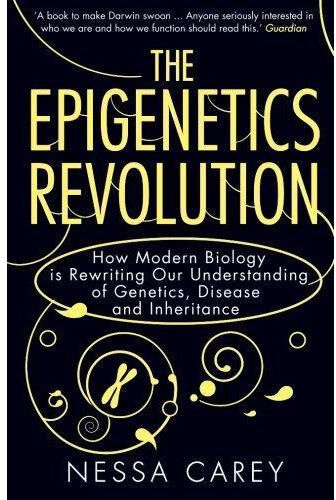
Icon Books The Epigenetics Revolution - How Modern Biology Is Rewriting Our Understanding Of Genetics Disease..At the beginning of this century enormous progress had been made in genetics. The Human Genome Project finished sequencing human DNA. It seemed it was only a matter of time until we had all the answers to the secrets of life on this planet.6,95 £*Shipping: 2,99 £Secure redirect to the provider
-
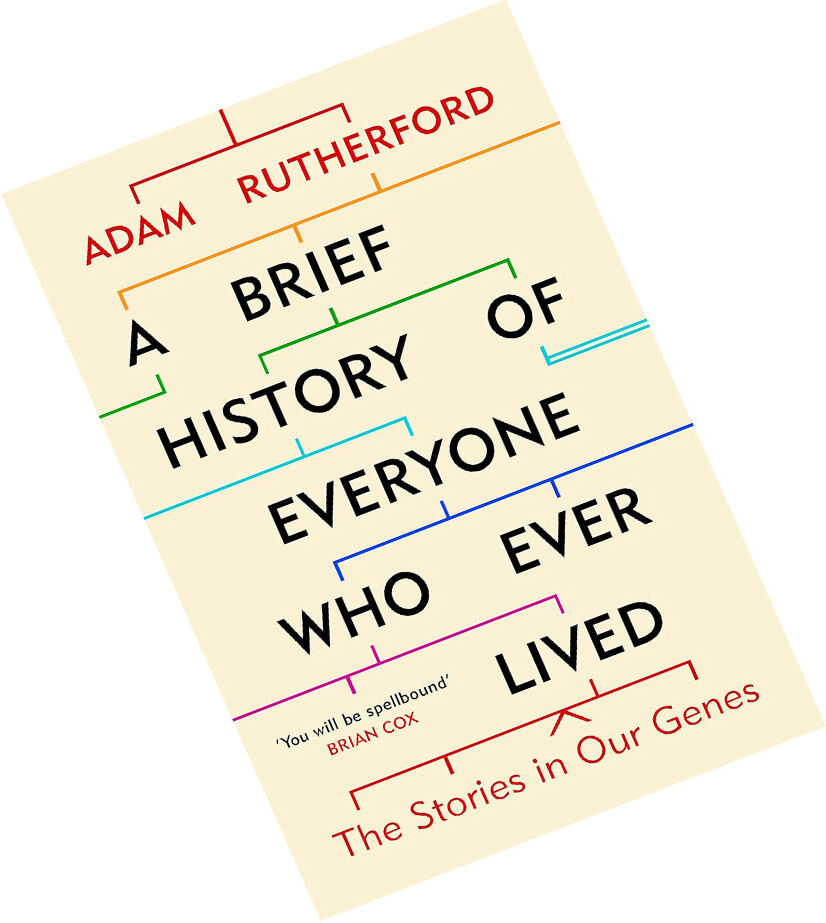
Weidenfeld & Nicolson A Brief History of Everyone Who Ever Lived by Adam Rutherford - Paperback - Popular Science Genetics BestsellerA Brief History of Everyone Who Ever Lived is a captivating exploration of what our DNA reveals about the shared story of humanity. Geneticist and broadcaster Adam Rutherford blends cutting-edge genetics with history to trace migration, disease, war, and love through the code written into every cell. This book is a tour through the expanding landscape of genetic science, showing how our genes encode the history of our species: births, deaths, disease, famine, migration, and countless generations of reproduction. Rutherford examines what genetics can tell us about Neanderthals and our own human history, making this a fascinating read for anyone curious about where we come from and what makes us human. Published by Weidenfeld & Nicolson, this paperback book is a record of an extraordinary journey, and every human genome is a testament to the shared story of our species.4,99 £*Shipping: 2,99 £Secure redirect to the provider
-
Orion Gene Eating: The Story of Human Appetite by Dr Giles Yeo - Paperback Popular Science Book on Genetics, Appetite & Diet MythsGene Eating: The Story of Human Appetite is a thought-provoking book by Dr Giles Yeo, a Cambridge geneticist. In this book, Yeo delves into the biology behind hunger, cravings, and weight gain, drawing on two decades of genetic research. He explores the genuine biological mechanisms, including hormones, brain signalling, and inherited genetic variation, that shape how hungry we feel and how our bodies store energy. This book offers a science-backed perspective on appetite, metabolism, and obesity, making it an essential read for anyone looking for clarity on these topics. Written by Dr Giles Yeo, a molecular geneticist, Gene Eating is a well-researched and insightful book that provides a deeper understanding of the complex issues surrounding human appetite.2,99 £*Shipping: 2,99 £Secure redirect to the provider
-
W&N (Weidenfeld & Nicolson) Professor Tim Spector 2 Books Collection Set - The Diet Myth & Identically Different - Paperback Science Books - Gut Health & GeneticsThis 2-book collection set brings together two of Professor Tim Spector's most acclaimed works of popular science. The Diet Myth explores the world of gut bacteria and why fad diets fail, while Identically Different investigates how genes are more flexible than once believed. The books form a compelling pairing for anyone interested in health, biology, and what shapes who we are. The Diet Myth challenges conventional wisdom on fat, calories, vitamins, and nutrients by examining the trillions of microbes living inside us. Drawing on cutting-edge science and the author's pioneering research, this collection offers a thought-provoking look at the complex relationships between our bodies and the world around us. The books are published by Weidenfeld & Nicolson and are in brand new paperback format.8,99 £*Shipping: 2,99 £Secure redirect to the provider
-
What is a possible research question about genetics?
A possible research question about genetics could be: "How do specific genetic variations influence the risk of developing certain diseases such as cancer or Alzheimer's?" This question could lead to studying the relationship between genetic markers and disease susceptibility, potentially uncovering new insights into prevention and treatment strategies based on an individual's genetic profile. **
-
What is a possible research question related to genetics?
A possible research question related to genetics could be: "How do specific genetic variations contribute to the development of certain diseases, such as cancer or Alzheimer's?" This question could involve studying the role of specific genes or mutations in disease progression, as well as exploring potential genetic markers for early detection or personalized treatment options. By investigating the genetic basis of diseases, researchers can gain valuable insights into their underlying mechanisms and potentially develop more targeted therapies. **
-
What is genetics?
Genetics is the study of genes, heredity, and variation in living organisms. It involves understanding how traits are passed down from one generation to the next through the transmission of genetic information. Genetics also explores the role of genes in determining an organism's physical and behavioral characteristics, as well as how genetic variations can lead to differences among individuals within a species. This field of science has important implications for medicine, agriculture, and evolutionary biology. **
-
Why are bacteria particularly suitable as research subjects in genetics?
Bacteria are particularly suitable as research subjects in genetics because they have a simple and well-understood genetic makeup, making it easier to study and manipulate their genes. They have a rapid reproduction rate, allowing for quick generation of large populations for genetic studies. Bacteria also have plasmids, which are small, circular DNA molecules that can be easily manipulated and transferred between different bacterial strains, making them valuable tools for genetic research. Additionally, bacteria are relatively easy and inexpensive to culture in the laboratory, making them accessible for a wide range of genetic studies. **
Similar search terms for Genetics
-
Icon Books Junk DNA: A Journey Through the Dark Matter of the Genome by Nessa Carey - Paperback Popular Science Book - Genetics, Ageing & Disease ExplainedExplore the fascinating world of genomics with Junk DNA: A Journey Through the Dark Matter of the Genome. Written by Nessa Carey, this acclaimed science book delves into the 98% of human DNA once considered functionless, revealing its surprising role in governing ageing, disease, viral defence, and complex traits. A perfect introduction to modern genomics for curious readers, this paperback is an engaging and accessible read for students, teachers, healthcare professionals, and science enthusiasts alike. For decades, scientists assumed that non-coding regions of the genome were evolutionary debris, but Carey's book guides readers through the research that has transformed our understanding of the non-coding genome, challenging this assumption and offering a fresh perspective on the subject.8,97 £*Shipping: 2,99 £Secure redirect to the provider
-
Yellow Kite Food Fix by Mark Hyman MD - Paperback - Food Policy, Health & Environment Non-Fiction BookFood Fix by Mark Hyman is a non-fiction paperback book that explores the connection between food and the crises facing society. Written by New York Times best-selling author and physician Mark Hyman, this book argues that fixing our broken food system could have a positive impact on our health, local economies, communities, and the planet. In Food Fix, Hyman lays bare how industrial food and agriculture systems are shaped by powerful financial interests, driving issues such as obesity and type 2 diabetes. This book is essential reading for anyone concerned about the intersection of food, health, and the environment.3,49 £*Shipping: 2,99 £Secure redirect to the provider
-
W&N (Weidenfeld & Nicolson) Identically Different: Why You Can Change Your Genes by Professor Tim Spector - Paperback - Popular Science Book on Epigenetics & Genetics for AdultsProfessor Tim Spector's 'Identically Different: Why You Can Change Your Genes' is a groundbreaking work of popular science that challenges what readers thought they knew about heredity. Drawing on decades of research into twins, epigenetics and the microbiome, Spector reveals that our genes are far less fixed than once believed. This paperback is ideal for science-curious adults, students of biology and medicine, and anyone wanting to understand how lifestyle and environment can reshape who we become, physically and behaviourally, across a lifetime. As one of the world's leading experts on twin studies, Tim Spector spent years comparing identical twins who share exactly the same DNA yet often lead startlingly different lives, developing different diseases, personalities and even political views. In 'Identically Different', he uses this research to explore the complex relationship between genetics and lifestyle, offering a fresh perspective on the nature of heredity and the potential for personal change. Published by W&N; (Weidenfeld & Nicolson), this book is a thought-provoking read for anyone interested in the latest scientific discoveries and their implications for our understanding of the human experience.2,99 £*Shipping: 2,99 £Secure redirect to the provider
-
Nucleum: Energy Research Institute Board Game by Board and Dice - Strategic Economic Board Game with Energy Networks and Research DevelopmentBuild an industrial empire in an alternate twentieth century transformed by the Uranium Revolution. In Nucleum: Energy Research Institute, you compete to develop powerful energy networks, attract investment, and earn the support of influential patrons. Plan your routes, expand your research, and connect cities as you develop increasingly ambitious technologies. Every decision affects your progress, from choosing where to construct facilities to deciding when to pursue new contracts and partnerships. Careful resource management and long-term planning are essential as you compete to become a respected entrepreneur of the age. This strategic economic board game is set during an alternate industrial revolution, where you must balance research, investment, construction, and technological progress to succeed.21,79 £*Shipping: 3,95 £Secure redirect to the provider
-
What is the difference between molecular biology, genetics, and molecular genetics?
Molecular biology is the study of the molecular mechanisms underlying biological processes, including the interactions between DNA, RNA, proteins, and other molecules involved in genetic expression and regulation. Genetics is the study of genes, heredity, and variation in living organisms, including the study of how traits are passed from one generation to the next. Molecular genetics is a subfield of genetics that focuses on the molecular structure and function of genes at a cellular and molecular level, including the study of how genes are expressed, replicated, and regulated. In summary, molecular biology focuses on the molecular mechanisms of biological processes, genetics focuses on the inheritance and variation of traits, and molecular genetics focuses on the molecular structure and function of genes. **
-
What is Drosophila genetics?
Drosophila genetics is the study of genetic principles and mechanisms using the fruit fly Drosophila melanogaster as a model organism. Drosophila has been a key model organism in genetics research due to its short generation time, large number of offspring, and well-characterized genome. Researchers use Drosophila genetics to study inheritance patterns, gene function, and the role of specific genes in development and disease. This research has provided valuable insights into fundamental genetic processes and has contributed to our understanding of human genetics. **
-
What is forensic genetics?
Forensic genetics is a branch of genetics that involves the use of DNA analysis to help solve crimes and identify individuals involved in criminal activities. It is used to analyze biological evidence such as blood, hair, and other bodily fluids found at crime scenes. By comparing DNA profiles from crime scene evidence to those of potential suspects, forensic geneticists can provide crucial evidence in criminal investigations and court cases. This field has revolutionized the way crimes are investigated and has helped exonerate innocent individuals while bringing perpetrators to justice. **
-
What is Mendelian genetics?
Mendelian genetics is a set of principles established by Gregor Mendel in the 19th century that describes the inheritance of traits from parents to offspring. These principles include the concepts of dominant and recessive alleles, segregation, and independent assortment. Mendelian genetics forms the foundation of modern genetics and helps explain how traits are passed down through generations in a predictable manner. **
* All prices are inclusive of VAT and, if applicable, plus shipping costs. The offer information is based on the details provided by the respective shop and is updated through automated processes. Real-time updates do not occur, so deviations can occur in individual cases. ** Note: Parts of this content were created by AI.