Buy wageningenuniversity.eu ?
We are moving the project
wageningenuniversity.eu .
Are you interested in purchasing the domain
wageningenuniversity.eu ?
domain@kv-gmbh.de · 0541-91531010
Buy wageningenuniversity.eu ?
Is an embryo or fetus parasitic?
No, an embryo or fetus is not considered parasitic. While it is true that an embryo or fetus relies on the mother's body for nourishment and support during pregnancy, it is not a parasite. A parasite is an organism that lives in or on another organism (the host) and benefits at the host's expense. In contrast, the relationship between a mother and her developing baby is a natural and symbiotic one, where both parties benefit from the relationship. **
How does the embryo develop into a fetus?
The embryo develops into a fetus through a process called embryogenesis. This process involves the rapid division and differentiation of cells, leading to the formation of the basic body plan and the development of major organs and systems. By the end of the eighth week of gestation, the embryo is considered a fetus, and most of the major organs and systems are in place, although they continue to grow and mature throughout the remainder of the pregnancy. The fetus continues to develop and grow in size and complexity until it is ready to be born. **

Similar search terms for Fetus
Top-Angebote
Products related to Fetus:
-
Board and Dice Nucleum Energy Research Institute Board Game - Strategic Economic Board Game with Energy Networks and Research DevelopmentBuild an industrial empire in an alternate twentieth century transformed by the Uranium Revolution. Compete to develop powerful energy networks, attract investment, and earn the support of influential patrons. Plan routes, expand research, and connect cities as you develop increasingly ambitious technologies. Every decision affects progress, from constructing facilities to pursuing contracts and partnerships. Resource management and long-term planning are essential to succeed.21,79 £*Shipping: 3,95 £Secure redirect to the provider
-
ENVIRONMENT Diffuser Inspired by The Wynn Hotel® - 200mLVegan and cruelty-free. Diffuser that is inspired by The Wynn Hotel®. Juicy green melon and nectarine blend into a heart of jasmine and lily ending with notes of blackberry and oakmoss.39,28 $*Shipping: 0,00 $Secure redirect to the provider




-
Does the embryo-fetus feel pain during an abortion?
The question of whether an embryo or fetus can feel pain during an abortion is a topic of debate among medical professionals and researchers. Some studies suggest that the neurological development necessary to perceive pain does not occur until later in pregnancy, while others argue that the fetus may be capable of feeling pain earlier. Ultimately, the answer to this question is not definitively known, and it is a complex and controversial issue with differing perspectives. **
-
Is abortion legitimate if the fetus could be artificially raised?
The legitimacy of abortion is a complex and deeply personal issue that is often influenced by a variety of factors including personal beliefs, cultural norms, and legal considerations. The question of whether abortion is legitimate if the fetus could be artificially raised raises ethical and moral considerations. Some may argue that if the fetus could be artificially raised to viability, then abortion may not be legitimate as there is potential for the fetus to develop into a viable human being. Others may argue that a woman's right to make decisions about her own body should take precedence, regardless of the potential for artificial gestation. Ultimately, the legitimacy of abortion is a deeply nuanced issue that varies depending on individual perspectives and beliefs. **
-
What is the difference between an embryo and a fetus?
An embryo is the early stage of development of a multicellular organism, which in humans is from fertilization to about 8 weeks of gestation. During this stage, the major organs and structures of the organism begin to form. A fetus, on the other hand, is the later stage of development, from about 9 weeks of gestation until birth. During this stage, the organs and structures continue to grow and mature, and the fetus becomes more recognizable as a human being. **
-
Does an embryo-fetus already have all the characteristics of life?
Yes, an embryo-fetus already has all the characteristics of life. From the moment of conception, it has the ability to grow, develop, and respond to stimuli. It also has the capacity for metabolism, reproduction, and adaptation to its environment. Therefore, it meets all the criteria for being considered a living organism. **


How likely is it to find an egg with a fetus in the egg carton?
It is extremely unlikely to find an egg with a fetus in the egg carton. Commercially sold eggs are typically unfertilized, meaning they do not contain a fetus. The eggs that we consume are collected from hens that have not been in contact with roosters, so the eggs do not have the potential to develop into a fetus. Therefore, the chances of finding a fetus in an egg carton are very low. **
Would you like to perform a genetic test on a stillborn fetus after a miscarriage?
The decision to perform a genetic test on a stillborn fetus after a miscarriage is a deeply personal one and depends on individual circumstances. Some people may want to understand the cause of the miscarriage for closure or to assess the risk of future miscarriages or genetic conditions. Others may prefer not to undergo testing due to emotional reasons or personal beliefs. It's important to consider the potential emotional impact and the information that may be gained from the test before making a decision. Consulting with a healthcare provider or genetic counselor can also provide valuable insight and support in making this decision. **
Top-Angebote
Products related to Fetus:
-
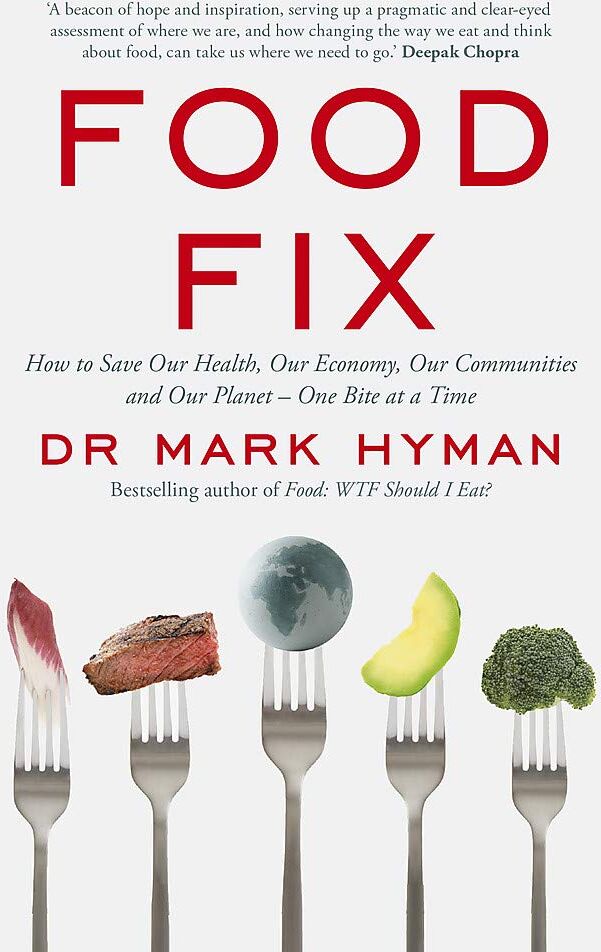
Yellow Kite Food Fix by Mark Hyman MD - Paperback - Food Policy, Health & Environment Non-Fiction BookFood Fix by Mark Hyman is a non-fiction paperback book that explores the connection between food and the crises facing society. Written by New York Times best-selling author and physician Mark Hyman, this book argues that fixing our broken food system could have a positive impact on our health, local economies, communities, and the planet. In Food Fix, Hyman lays bare how industrial food and agriculture systems are shaped by powerful financial interests, driving issues such as obesity and type 2 diabetes. This book is essential reading for anyone concerned about the intersection of food, health, and the environment.3,49 £*Shipping: 2,99 £Secure redirect to the provider
-
Research-powered Eye Duo - Skincare Kit Charlotte Tilbury 2896 Charlotte's Research-powered Eye Duo Size:Darlings, unlock the secret to eyes that appear brighter, depuffed, smoother and younger with my Research-Powered Eye Duo! This CharlotteTilbury.com EXCLUSIVE skincare duo includes:94,05 £*Shipping: 0,00 £Secure redirect to the provider
-
Board and Dice Nucleum Energy Research Institute Board Game - Strategic Economic Board Game with Energy Networks and Research DevelopmentBuild an industrial empire in an alternate twentieth century transformed by the Uranium Revolution. Compete to develop powerful energy networks, attract investment, and earn the support of influential patrons. Plan routes, expand research, and connect cities as you develop increasingly ambitious technologies. Every decision affects progress, from constructing facilities to pursuing contracts and partnerships. Resource management and long-term planning are essential to succeed.21,79 £*Shipping: 3,95 £Secure redirect to the provider
-
Is an embryo or fetus parasitic?
No, an embryo or fetus is not considered parasitic. While it is true that an embryo or fetus relies on the mother's body for nourishment and support during pregnancy, it is not a parasite. A parasite is an organism that lives in or on another organism (the host) and benefits at the host's expense. In contrast, the relationship between a mother and her developing baby is a natural and symbiotic one, where both parties benefit from the relationship. **
-
How does the embryo develop into a fetus?
The embryo develops into a fetus through a process called embryogenesis. This process involves the rapid division and differentiation of cells, leading to the formation of the basic body plan and the development of major organs and systems. By the end of the eighth week of gestation, the embryo is considered a fetus, and most of the major organs and systems are in place, although they continue to grow and mature throughout the remainder of the pregnancy. The fetus continues to develop and grow in size and complexity until it is ready to be born. **
-
Does the embryo-fetus feel pain during an abortion?
The question of whether an embryo or fetus can feel pain during an abortion is a topic of debate among medical professionals and researchers. Some studies suggest that the neurological development necessary to perceive pain does not occur until later in pregnancy, while others argue that the fetus may be capable of feeling pain earlier. Ultimately, the answer to this question is not definitively known, and it is a complex and controversial issue with differing perspectives. **
-
Is abortion legitimate if the fetus could be artificially raised?
The legitimacy of abortion is a complex and deeply personal issue that is often influenced by a variety of factors including personal beliefs, cultural norms, and legal considerations. The question of whether abortion is legitimate if the fetus could be artificially raised raises ethical and moral considerations. Some may argue that if the fetus could be artificially raised to viability, then abortion may not be legitimate as there is potential for the fetus to develop into a viable human being. Others may argue that a woman's right to make decisions about her own body should take precedence, regardless of the potential for artificial gestation. Ultimately, the legitimacy of abortion is a deeply nuanced issue that varies depending on individual perspectives and beliefs. **
Similar search terms for Fetus
-
ENVIRONMENT Diffuser Inspired by The Wynn Hotel® - 200mLVegan and cruelty-free. Diffuser that is inspired by The Wynn Hotel®. Juicy green melon and nectarine blend into a heart of jasmine and lily ending with notes of blackberry and oakmoss.39,28 $*Shipping: 0,00 $Secure redirect to the provider
-
SAGE Publications Case Study Research and Applications: Design and MethodsRecognized as one of the most cited methodology books in the social sciences, the Sixth Edition of Robert K. Yin′s bestselling text provides a complete portal to the world of case study research. With the integration of 11 applications in this edition, the book gives readers access to exemplary case studies drawn from a wide variety of academic and applied fields. Ultimately, Case Study Research and Applications will guide students in the successful use and application of the case study research method.59,99 £*Shipping: 0,00 £Secure redirect to the provider
-
What is the difference between an embryo and a fetus?
An embryo is the early stage of development of a multicellular organism, which in humans is from fertilization to about 8 weeks of gestation. During this stage, the major organs and structures of the organism begin to form. A fetus, on the other hand, is the later stage of development, from about 9 weeks of gestation until birth. During this stage, the organs and structures continue to grow and mature, and the fetus becomes more recognizable as a human being. **
-
Does an embryo-fetus already have all the characteristics of life?
Yes, an embryo-fetus already has all the characteristics of life. From the moment of conception, it has the ability to grow, develop, and respond to stimuli. It also has the capacity for metabolism, reproduction, and adaptation to its environment. Therefore, it meets all the criteria for being considered a living organism. **
-
How likely is it to find an egg with a fetus in the egg carton?
It is extremely unlikely to find an egg with a fetus in the egg carton. Commercially sold eggs are typically unfertilized, meaning they do not contain a fetus. The eggs that we consume are collected from hens that have not been in contact with roosters, so the eggs do not have the potential to develop into a fetus. Therefore, the chances of finding a fetus in an egg carton are very low. **
-
Would you like to perform a genetic test on a stillborn fetus after a miscarriage?
The decision to perform a genetic test on a stillborn fetus after a miscarriage is a deeply personal one and depends on individual circumstances. Some people may want to understand the cause of the miscarriage for closure or to assess the risk of future miscarriages or genetic conditions. Others may prefer not to undergo testing due to emotional reasons or personal beliefs. It's important to consider the potential emotional impact and the information that may be gained from the test before making a decision. Consulting with a healthcare provider or genetic counselor can also provide valuable insight and support in making this decision. **
* All prices are inclusive of VAT and, if applicable, plus shipping costs. The offer information is based on the details provided by the respective shop and is updated through automated processes. Real-time updates do not occur, so deviations can occur in individual cases. ** Note: Parts of this content were created by AI.