Buy wageningenuniversity.eu ?
We are moving the project
wageningenuniversity.eu .
Are you interested in purchasing the domain
wageningenuniversity.eu ?
domain@kv-gmbh.de · 0541-91531010
Buy wageningenuniversity.eu ?
Is energy surplus bad for the environment?
An energy surplus can be bad for the environment if it leads to the overproduction and wastage of energy. This can result in increased emissions of greenhouse gases and other pollutants, contributing to air and water pollution, and ultimately harming the environment. Additionally, the production and transportation of excess energy can also have negative impacts on natural habitats and wildlife. Therefore, it is important to manage energy production and consumption in a sustainable manner to minimize the negative environmental impacts of an energy surplus. **
Is solar energy harmful to the environment?
Solar energy is generally considered to be environmentally friendly because it produces no air or water pollution and does not contribute to climate change. However, the production and disposal of solar panels can have some negative environmental impacts, such as the use of toxic chemicals and the generation of electronic waste. Overall, the environmental impact of solar energy is much lower than that of fossil fuels, but it is important to continue to improve the sustainability of solar panel production and disposal. **


Similar search terms for Energy
Top-Angebote
Products related to Energy:
-
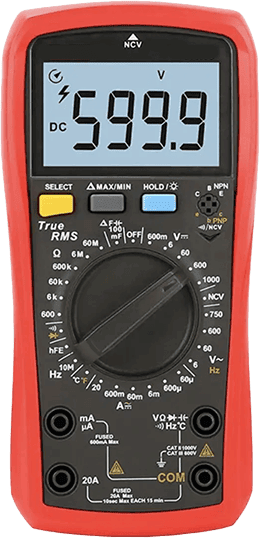
ENERGY NE00841 MultimeterAmbient temperature from [°C]: -10; max. ambient temperature to [°C]: 50; Length [mm]: 190; Measuring Range from [µA]: 600; Measuring Range to [A]: 10; DC Voltage from [V]: 600; DC Voltage to [V]: 1000; Weight [g]: 834; Measuring Range from [kohm]: 600; Measuring Range to [kohm]: 60; Frequency range from [kHz]: 6; Frequency range to [kHz]: 10; Width [mm]: 90; Operating temperature from [°C]: 0; Operating temperature to [°C]: 40; Measuring Range to (AC) [A]: 10; Gauge: with TFT display; Number of device batteries required: 1; Protection [A]: 10, 0,3; Voltage [V]: 600; AC Voltage from [V]: 6; AC Voltage to [V]: 750; Depth [mm]: 35; Measuring Range from [°C]: 40; Measuring Range to [°C]: 2000; Rechargeable Battery Voltage [V]: 98,59 £*Shipping: 8,45 £Secure redirect to the provider
-
Magic Energy - 10 Ml Fragrance Charlotte Tilbury 1120 Magic Energy Size:Magic Energy is a SOPHISTICATED and REAWAKENING scent that helps connect you to the FOUR ELEMENTS OF NATURE. AIR is channelled through the crisp and effervescent bergamot, bringing a fresh, floral, zesty note with a hint of spice to the fragrance. The creamy and aromatic palo santo accord combined with the resinous incense-like finish of frankincense imbues magic energy with FIRE. Grounding, energising cypress ultimate connects the fragrance with EARTH, emitting the delicate, mossy and forest-like aspects of the scent. WATER is represented by the unique and marine-like aspects of seaweed extract, like a splash of energy provoking fresh and salty facets to the scent. Magic Energy is the perfect REAWAKENING and ENERGISING fragrance with an exceptional scent trail that lasts up to 18 HOURS! MAGIC FRAGRANCE NOTES TOP: Reawakening bergamot oil, earthy myrtle oil HEART: Sophisticated cypress ultimate, sweet jasmine sambac, refreshing seaweed absolute BASE: Cashmere wood, spiritual palo santo accord, ambergris accord, olibanum resinoid20,00 £*Shipping: 2,95 £Secure redirect to the provider


-
How is energy measured in food?
Energy in food is measured in calories. One calorie is the amount of energy needed to raise the temperature of one gram of water by one degree Celsius. The energy content of food is determined by measuring the amount of heat released when the food is burned in a calorimeter. This measurement provides an estimate of the amount of energy that the food can provide to the body when consumed. The energy content of food is typically listed on nutrition labels in terms of calories per serving. **
-
How is energy obtained from food?
Energy is obtained from food through the process of digestion and metabolism. When we eat food, it is broken down in the digestive system into its basic components such as carbohydrates, proteins, and fats. These components are then absorbed into the bloodstream and transported to cells throughout the body. In the cells, these components are further broken down through chemical reactions to release energy in the form of adenosine triphosphate (ATP), which is used as a source of energy for various cellular processes. **
-
Does solar energy exist in food?
Solar energy indirectly exists in food, as plants use sunlight to undergo photosynthesis and produce energy in the form of carbohydrates. When we consume plants or animals that have eaten plants, we are ultimately consuming the solar energy that was captured and stored in the food chain. Therefore, while solar energy itself is not directly present in the food we eat, it is a crucial component in the process of food production. **
-
Is the food more energy-rich if I add energy to it?
Adding energy to food, such as through cooking or adding ingredients like oil or butter, can increase its energy density. This is because cooking can break down complex molecules in the food, making it easier for our bodies to extract energy from it. However, it's important to note that adding energy-dense ingredients like oils or fats can also increase the overall energy content of the food. So while adding energy to food can make it more energy-rich, it's important to consider the overall nutritional value and balance of the meal. **


Which forms of energy are harmful to the environment?
Forms of energy that are harmful to the environment include fossil fuels such as coal, oil, and natural gas, which release greenhouse gases and contribute to air and water pollution. Nuclear energy, while low in greenhouse gas emissions, produces radioactive waste that is difficult to dispose of safely. Additionally, biomass energy can lead to deforestation and habitat destruction if not managed sustainably. Finally, hydropower can disrupt ecosystems and fish populations if not properly managed. **
Why is high energy consumption bad for the environment?
High energy consumption is bad for the environment because it leads to increased greenhouse gas emissions, which contribute to global warming and climate change. The extraction and burning of fossil fuels to meet high energy demands also result in air and water pollution, harming ecosystems and human health. Additionally, high energy consumption depletes natural resources and accelerates habitat destruction, further impacting biodiversity and the overall health of the planet. **
Top-Angebote
Products related to Energy:
-
Nucleum: Energy Research Institute Board Game by Board and Dice - Strategic Economic Board Game with Energy Networks and Research DevelopmentBuild an industrial empire in an alternate twentieth century transformed by the Uranium Revolution. In Nucleum: Energy Research Institute, you compete to develop powerful energy networks, attract investment, and earn the support of influential patrons. Plan your routes, expand your research, and connect cities as you develop increasingly ambitious technologies. Every decision affects your progress, from choosing where to construct facilities to deciding when to pursue new contracts and partnerships. Careful resource management and long-term planning are essential as you compete to become a respected entrepreneur of the age. This strategic economic board game is set during an alternate industrial revolution, where you must balance research, investment, construction, and technological progress to succeed.21,79 £*Shipping: 3,95 £Secure redirect to the provider
-
ENERGY NE00841 MultimeterAmbient temperature from [°C]: -10; max. ambient temperature to [°C]: 50; Length [mm]: 190; Measuring Range from [µA]: 600; Measuring Range to [A]: 10; DC Voltage from [V]: 600; DC Voltage to [V]: 1000; Weight [g]: 834; Measuring Range from [kohm]: 600; Measuring Range to [kohm]: 60; Frequency range from [kHz]: 6; Frequency range to [kHz]: 10; Width [mm]: 90; Operating temperature from [°C]: 0; Operating temperature to [°C]: 40; Measuring Range to (AC) [A]: 10; Gauge: with TFT display; Number of device batteries required: 1; Protection [A]: 10, 0,3; Voltage [V]: 600; AC Voltage from [V]: 6; AC Voltage to [V]: 750; Depth [mm]: 35; Measuring Range from [°C]: 40; Measuring Range to [°C]: 2000; Rechargeable Battery Voltage [V]: 98,59 £*Shipping: 8,45 £Secure redirect to the provider
-
Is energy surplus bad for the environment?
An energy surplus can be bad for the environment if it leads to the overproduction and wastage of energy. This can result in increased emissions of greenhouse gases and other pollutants, contributing to air and water pollution, and ultimately harming the environment. Additionally, the production and transportation of excess energy can also have negative impacts on natural habitats and wildlife. Therefore, it is important to manage energy production and consumption in a sustainable manner to minimize the negative environmental impacts of an energy surplus. **
-
Is solar energy harmful to the environment?
Solar energy is generally considered to be environmentally friendly because it produces no air or water pollution and does not contribute to climate change. However, the production and disposal of solar panels can have some negative environmental impacts, such as the use of toxic chemicals and the generation of electronic waste. Overall, the environmental impact of solar energy is much lower than that of fossil fuels, but it is important to continue to improve the sustainability of solar panel production and disposal. **
-
How is energy measured in food?
Energy in food is measured in calories. One calorie is the amount of energy needed to raise the temperature of one gram of water by one degree Celsius. The energy content of food is determined by measuring the amount of heat released when the food is burned in a calorimeter. This measurement provides an estimate of the amount of energy that the food can provide to the body when consumed. The energy content of food is typically listed on nutrition labels in terms of calories per serving. **
-
How is energy obtained from food?
Energy is obtained from food through the process of digestion and metabolism. When we eat food, it is broken down in the digestive system into its basic components such as carbohydrates, proteins, and fats. These components are then absorbed into the bloodstream and transported to cells throughout the body. In the cells, these components are further broken down through chemical reactions to release energy in the form of adenosine triphosphate (ATP), which is used as a source of energy for various cellular processes. **
Similar search terms for Energy
-
Magic Energy - 10 Ml Fragrance Charlotte Tilbury 1120 Magic Energy Size:Magic Energy is a SOPHISTICATED and REAWAKENING scent that helps connect you to the FOUR ELEMENTS OF NATURE. AIR is channelled through the crisp and effervescent bergamot, bringing a fresh, floral, zesty note with a hint of spice to the fragrance. The creamy and aromatic palo santo accord combined with the resinous incense-like finish of frankincense imbues magic energy with FIRE. Grounding, energising cypress ultimate connects the fragrance with EARTH, emitting the delicate, mossy and forest-like aspects of the scent. WATER is represented by the unique and marine-like aspects of seaweed extract, like a splash of energy provoking fresh and salty facets to the scent. Magic Energy is the perfect REAWAKENING and ENERGISING fragrance with an exceptional scent trail that lasts up to 18 HOURS! MAGIC FRAGRANCE NOTES TOP: Reawakening bergamot oil, earthy myrtle oil HEART: Sophisticated cypress ultimate, sweet jasmine sambac, refreshing seaweed absolute BASE: Cashmere wood, spiritual palo santo accord, ambergris accord, olibanum resinoid20,00 £*Shipping: 2,95 £Secure redirect to the provider
-
Magic Energy - 100 Ml Fragrance Charlotte Tilbury 633 Magic Energy Size:Magic Energy is a SOPHISTICATED and REAWAKENING scent that helps connect you to the FOUR ELEMENTS OF NATURE. AIR is channelled through the crisp and effervescent bergamot, bringing a fresh, floral, zesty note with a hint of spice to the fragrance. The creamy and aromatic palo santo accord combined with the resinous incense-like finish of frankincense imbues magic energy with FIRE. Grounding, energising cypress ultimate connects the fragrance with EARTH, emitting the delicate, mossy and forest-like aspects of the scent. WATER is represented by the unique and marine-like aspects of seaweed extract, like a splash of energy provoking fresh and salty facets to the scent. Magic Energy is the perfect REAWAKENING and ENERGISING fragrance with an exceptional scent trail that lasts up to 18 HOURS! TRY ME FIRST! BUY A 100ML BOTTLE AND RECEIVE A FREE 1.5ML SAMPLE TO TRY, WEAR AND FALL IN LOVE WITH - OR YOUR MONEY BACK!§ MAGIC FRAGRANCE NOTES TOP: Reawakening bergamot oil, earthy myrtle oil HEART: Sophisticated cypress ultimate, sweet jasmine sambac, refreshing seaweed absolute BASE: Cashmere wood, spiritual palo santo accord, ambergris accord, olibanum resinoid130,00 £*Shipping: 0,00 £Secure redirect to the provider
-
Does solar energy exist in food?
Solar energy indirectly exists in food, as plants use sunlight to undergo photosynthesis and produce energy in the form of carbohydrates. When we consume plants or animals that have eaten plants, we are ultimately consuming the solar energy that was captured and stored in the food chain. Therefore, while solar energy itself is not directly present in the food we eat, it is a crucial component in the process of food production. **
-
Is the food more energy-rich if I add energy to it?
Adding energy to food, such as through cooking or adding ingredients like oil or butter, can increase its energy density. This is because cooking can break down complex molecules in the food, making it easier for our bodies to extract energy from it. However, it's important to note that adding energy-dense ingredients like oils or fats can also increase the overall energy content of the food. So while adding energy to food can make it more energy-rich, it's important to consider the overall nutritional value and balance of the meal. **
-
Which forms of energy are harmful to the environment?
Forms of energy that are harmful to the environment include fossil fuels such as coal, oil, and natural gas, which release greenhouse gases and contribute to air and water pollution. Nuclear energy, while low in greenhouse gas emissions, produces radioactive waste that is difficult to dispose of safely. Additionally, biomass energy can lead to deforestation and habitat destruction if not managed sustainably. Finally, hydropower can disrupt ecosystems and fish populations if not properly managed. **
-
Why is high energy consumption bad for the environment?
High energy consumption is bad for the environment because it leads to increased greenhouse gas emissions, which contribute to global warming and climate change. The extraction and burning of fossil fuels to meet high energy demands also result in air and water pollution, harming ecosystems and human health. Additionally, high energy consumption depletes natural resources and accelerates habitat destruction, further impacting biodiversity and the overall health of the planet. **
* All prices are inclusive of VAT and, if applicable, plus shipping costs. The offer information is based on the details provided by the respective shop and is updated through automated processes. Real-time updates do not occur, so deviations can occur in individual cases. ** Note: Parts of this content were created by AI.