Buy wageningenuniversity.eu ?
We are moving the project
wageningenuniversity.eu .
Are you interested in purchasing the domain
wageningenuniversity.eu ?
domain@kv-gmbh.de · 0541-91531010
Buy wageningenuniversity.eu ?
How are plants cultivated in agriculture in the temperate zone?
In the temperate zone, plants are cultivated in agriculture through a variety of methods. These include crop rotation, where different crops are planted in the same field in successive seasons to improve soil fertility and reduce pests and diseases. Additionally, farmers may use greenhouses or high tunnels to extend the growing season and protect plants from harsh weather. In some cases, irrigation systems are used to ensure that plants receive enough water, especially during dry periods. Finally, farmers may also use technology such as tractors and other machinery to help with planting, harvesting, and other tasks. **
Where is poppy cultivated?
Poppy is cultivated in various regions around the world, including countries like Turkey, India, Australia, and Afghanistan. These regions have suitable climates and soil conditions for poppy cultivation. Poppy is grown primarily for its seeds, which are used in cooking and baking, as well as for its sap, which is used in the production of opium and other pharmaceutical products. **


Similar search terms for Cultivated
Top-Angebote
Products related to Cultivated:
-
Nucleum: Energy Research Institute Board Game by Board and Dice - Strategic Economic Board Game with Energy Networks and Research DevelopmentBuild an industrial empire in an alternate twentieth century transformed by the Uranium Revolution. In Nucleum: Energy Research Institute, you compete to develop powerful energy networks, attract investment, and earn the support of influential patrons. Plan your routes, expand your research, and connect cities as you develop increasingly ambitious technologies. Every decision affects your progress, from choosing where to construct facilities to deciding when to pursue new contracts and partnerships. Careful resource management and long-term planning are essential as you compete to become a respected entrepreneur of the age. This strategic economic board game is set during an alternate industrial revolution, where you must balance research, investment, construction, and technological progress to succeed.21,79 £*Shipping: 3,95 £Secure redirect to the provider
-
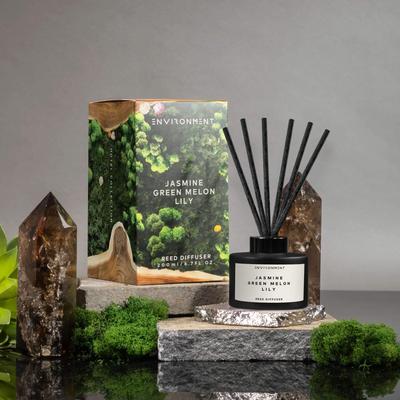
ENVIRONMENT Diffuser Inspired by The Wynn Hotel® - 200mLVegan and cruelty-free. Diffuser that is inspired by The Wynn Hotel®. Juicy green melon and nectarine blend into a heart of jasmine and lily ending with notes of blackberry and oakmoss.39,28 $*Shipping: 0,00 $Secure redirect to the provider


-
How can viruses be cultivated?
Viruses can be cultivated using living cells, such as bacteria or tissue cultures, as hosts. The virus is introduced to the host cells, where it can replicate and produce more virus particles. These virus particles can then be harvested and used for further study or for the production of vaccines. Cultivating viruses in the laboratory requires strict containment measures to prevent accidental release and ensure the safety of researchers. **
-
Where is LSD mostly cultivated?
LSD (Lysergic acid diethylamide) is a synthetic drug and is not cultivated like natural plants. It is produced in laboratories using chemical synthesis techniques. The production of LSD is illegal in most countries, and it is typically manufactured in clandestine labs by illicit drug producers. **
-
Can you eat self-cultivated mealworms?
Yes, mealworms can be eaten after being self-cultivated. Mealworms are a good source of protein and nutrients, making them a popular choice for consumption. However, it is important to ensure that the mealworms are raised in a clean and controlled environment to avoid any contamination. Additionally, mealworms should be cooked thoroughly before consumption to eliminate any potential health risks. **
-
What disease does cultivated lettuce have?
Cultivated lettuce can be affected by a variety of diseases, including downy mildew, lettuce mosaic virus, and bacterial leaf spot. Downy mildew is a common disease that causes yellowing and browning of the leaves, while lettuce mosaic virus can cause mottling and distortion of the leaves. Bacterial leaf spot can lead to dark, water-soaked lesions on the leaves. Proper management practices, such as crop rotation and disease-resistant varieties, can help prevent and control these diseases in cultivated lettuce. **

Can viruses be cultivated like bacteria?
Yes, viruses can be cultivated like bacteria, but they require living host cells to replicate. In a laboratory setting, viruses can be grown in cell cultures or in living organisms. The host cells provide the necessary machinery for the virus to reproduce and spread. This cultivation process is essential for studying the biology of viruses and developing vaccines or antiviral drugs. **
Which houseplants can be cultivated together?
When cultivating houseplants together, it is important to consider their individual needs for light, water, and humidity. Some houseplants that can be cultivated together include pothos and spider plants, as they have similar care requirements and can thrive in similar conditions. Additionally, succulents and cacti can be grown together as they both prefer bright light and infrequent watering. It is always best to research the specific care needs of each plant before grouping them together to ensure they will thrive in the same environment. **
Top-Angebote
Products related to Cultivated:
-
Yellow Kite Food Fix by Mark Hyman MD - Paperback - Food Policy, Health & Environment Non-Fiction BookFood Fix by Mark Hyman is a non-fiction paperback book that explores the connection between food and the crises facing society. Written by New York Times best-selling author and physician Mark Hyman, this book argues that fixing our broken food system could have a positive impact on our health, local economies, communities, and the planet. In Food Fix, Hyman lays bare how industrial food and agriculture systems are shaped by powerful financial interests, driving issues such as obesity and type 2 diabetes. This book is essential reading for anyone concerned about the intersection of food, health, and the environment.3,49 £*Shipping: 2,99 £Secure redirect to the provider
-
Research-powered Eye Duo - Skincare Kit Charlotte Tilbury 2896 Charlotte's Research-powered Eye Duo Size:Darlings, unlock the secret to eyes that appear brighter, depuffed, smoother and younger with my Research-Powered Eye Duo! This CharlotteTilbury.com EXCLUSIVE skincare duo includes:94,05 £*Shipping: 0,00 £Secure redirect to the provider
-
Nucleum: Energy Research Institute Board Game by Board and Dice - Strategic Economic Board Game with Energy Networks and Research DevelopmentBuild an industrial empire in an alternate twentieth century transformed by the Uranium Revolution. In Nucleum: Energy Research Institute, you compete to develop powerful energy networks, attract investment, and earn the support of influential patrons. Plan your routes, expand your research, and connect cities as you develop increasingly ambitious technologies. Every decision affects your progress, from choosing where to construct facilities to deciding when to pursue new contracts and partnerships. Careful resource management and long-term planning are essential as you compete to become a respected entrepreneur of the age. This strategic economic board game is set during an alternate industrial revolution, where you must balance research, investment, construction, and technological progress to succeed.21,79 £*Shipping: 3,95 £Secure redirect to the provider
-
How are plants cultivated in agriculture in the temperate zone?
In the temperate zone, plants are cultivated in agriculture through a variety of methods. These include crop rotation, where different crops are planted in the same field in successive seasons to improve soil fertility and reduce pests and diseases. Additionally, farmers may use greenhouses or high tunnels to extend the growing season and protect plants from harsh weather. In some cases, irrigation systems are used to ensure that plants receive enough water, especially during dry periods. Finally, farmers may also use technology such as tractors and other machinery to help with planting, harvesting, and other tasks. **
-
Where is poppy cultivated?
Poppy is cultivated in various regions around the world, including countries like Turkey, India, Australia, and Afghanistan. These regions have suitable climates and soil conditions for poppy cultivation. Poppy is grown primarily for its seeds, which are used in cooking and baking, as well as for its sap, which is used in the production of opium and other pharmaceutical products. **
-
How can viruses be cultivated?
Viruses can be cultivated using living cells, such as bacteria or tissue cultures, as hosts. The virus is introduced to the host cells, where it can replicate and produce more virus particles. These virus particles can then be harvested and used for further study or for the production of vaccines. Cultivating viruses in the laboratory requires strict containment measures to prevent accidental release and ensure the safety of researchers. **
-
Where is LSD mostly cultivated?
LSD (Lysergic acid diethylamide) is a synthetic drug and is not cultivated like natural plants. It is produced in laboratories using chemical synthesis techniques. The production of LSD is illegal in most countries, and it is typically manufactured in clandestine labs by illicit drug producers. **
Similar search terms for Cultivated
-
ENVIRONMENT Diffuser Inspired by The Wynn Hotel® - 200mLVegan and cruelty-free. Diffuser that is inspired by The Wynn Hotel®. Juicy green melon and nectarine blend into a heart of jasmine and lily ending with notes of blackberry and oakmoss.39,28 $*Shipping: 0,00 $Secure redirect to the provider
-
SAGE Publications Case Study Research and Applications: Design and MethodsRecognized as one of the most cited methodology books in the social sciences, the Sixth Edition of Robert K. Yin′s bestselling text provides a complete portal to the world of case study research. With the integration of 11 applications in this edition, the book gives readers access to exemplary case studies drawn from a wide variety of academic and applied fields. Ultimately, Case Study Research and Applications will guide students in the successful use and application of the case study research method.59,99 £*Shipping: 0,00 £Secure redirect to the provider
-
Can you eat self-cultivated mealworms?
Yes, mealworms can be eaten after being self-cultivated. Mealworms are a good source of protein and nutrients, making them a popular choice for consumption. However, it is important to ensure that the mealworms are raised in a clean and controlled environment to avoid any contamination. Additionally, mealworms should be cooked thoroughly before consumption to eliminate any potential health risks. **
-
What disease does cultivated lettuce have?
Cultivated lettuce can be affected by a variety of diseases, including downy mildew, lettuce mosaic virus, and bacterial leaf spot. Downy mildew is a common disease that causes yellowing and browning of the leaves, while lettuce mosaic virus can cause mottling and distortion of the leaves. Bacterial leaf spot can lead to dark, water-soaked lesions on the leaves. Proper management practices, such as crop rotation and disease-resistant varieties, can help prevent and control these diseases in cultivated lettuce. **
-
Can viruses be cultivated like bacteria?
Yes, viruses can be cultivated like bacteria, but they require living host cells to replicate. In a laboratory setting, viruses can be grown in cell cultures or in living organisms. The host cells provide the necessary machinery for the virus to reproduce and spread. This cultivation process is essential for studying the biology of viruses and developing vaccines or antiviral drugs. **
-
Which houseplants can be cultivated together?
When cultivating houseplants together, it is important to consider their individual needs for light, water, and humidity. Some houseplants that can be cultivated together include pothos and spider plants, as they have similar care requirements and can thrive in similar conditions. Additionally, succulents and cacti can be grown together as they both prefer bright light and infrequent watering. It is always best to research the specific care needs of each plant before grouping them together to ensure they will thrive in the same environment. **
* All prices are inclusive of VAT and, if applicable, plus shipping costs. The offer information is based on the details provided by the respective shop and is updated through automated processes. Real-time updates do not occur, so deviations can occur in individual cases. ** Note: Parts of this content were created by AI.