Buy wageningenuniversity.eu ?
We are moving the project
wageningenuniversity.eu .
Are you interested in purchasing the domain
wageningenuniversity.eu ?
domain@kv-gmbh.de · 0541-91531010
Buy wageningenuniversity.eu ?
What is the difference between paper chromatography and gas chromatography?
Paper chromatography involves the separation of compounds based on their affinity to the stationary phase (paper), while gas chromatography separates compounds based on their volatility and interaction with the mobile phase (gas). In paper chromatography, the mobile phase is a liquid solvent, whereas in gas chromatography, the mobile phase is a gas. Gas chromatography is typically more sensitive and provides better resolution compared to paper chromatography, making it more suitable for analyzing complex mixtures of compounds. **
What happens during chromatography?
During chromatography, a mixture of substances is separated into its individual components based on their different affinities for a stationary phase and a mobile phase. The sample is applied to the stationary phase, and the mobile phase is passed through the stationary phase. As the mobile phase moves through the stationary phase, the components of the mixture will interact differently with the stationary phase, causing them to separate and move at different rates. This results in the components being eluted from the column at different times, allowing for their individual identification and quantification. **

Similar search terms for Chromatography
Top-Angebote
Products related to Chromatography:
-
Nucleum: Energy Research Institute Board Game by Board and Dice - Strategic Economic Board Game with Energy Networks and Research DevelopmentBuild an industrial empire in an alternate twentieth century transformed by the Uranium Revolution. In Nucleum: Energy Research Institute, you compete to develop powerful energy networks, attract investment, and earn the support of influential patrons. Plan your routes, expand your research, and connect cities as you develop increasingly ambitious technologies. Every decision affects your progress, from choosing where to construct facilities to deciding when to pursue new contracts and partnerships. Careful resource management and long-term planning are essential as you compete to become a respected entrepreneur of the age. This strategic economic board game is set during an alternate industrial revolution, where you must balance research, investment, construction, and technological progress to succeed.21,79 £*Shipping: 3,95 £Secure redirect to the provider
-
ENVIRONMENT Diffuser Inspired by The Wynn Hotel® - 200mLVegan and cruelty-free. Diffuser that is inspired by The Wynn Hotel®. Juicy green melon and nectarine blend into a heart of jasmine and lily ending with notes of blackberry and oakmoss.39,28 $*Shipping: 0,00 $Secure redirect to the provider




-
Is there a difference between chromatography and thin layer chromatography of amino acids?
Yes, there is a difference between chromatography and thin layer chromatography (TLC) of amino acids. Chromatography is a general term for a technique used to separate and analyze mixtures, while TLC is a specific type of chromatography that uses a thin layer of adsorbent material on a flat support to separate compounds. In the case of amino acids, both techniques can be used to separate and analyze the different amino acids present in a mixture, but TLC is a quicker and simpler method that is often used for preliminary analysis or for educational purposes. Traditional chromatography methods, such as high-performance liquid chromatography (HPLC), may offer higher resolution and sensitivity for more detailed analysis of amino acids. **
-
What is paper chromatography in chemistry?
Paper chromatography is a technique used in chemistry to separate and analyze mixtures of substances. It involves placing a small spot of the mixture on a strip of paper and then allowing a solvent to move up the paper through capillary action. As the solvent moves, it carries the different components of the mixture at different rates, causing them to separate based on their affinity for the paper and the solvent. This technique is commonly used in the identification of unknown substances and in the analysis of complex mixtures. **
-
What is the principle of chromatography and can you provide an example of different chromatography methods?
Chromatography is a technique used to separate and analyze complex mixtures based on the differential interactions between the components of the mixture and a stationary phase. The principle of chromatography involves the sample being dissolved in a mobile phase and passed through a stationary phase. The components of the sample interact differently with the stationary phase, causing them to separate based on their affinity for the stationary phase. There are various types of chromatography methods, including gas chromatography (GC), liquid chromatography (LC), and high-performance liquid chromatography (HPLC). In gas chromatography, the mobile phase is a gas, while in liquid chromatography, the mobile phase is a liquid. HPLC is a more advanced form of liquid chromatography that uses high pressure to separate components more efficiently. **
-
What is the principle of chromatography and can you give an example of different chromatography methods?
Chromatography is a technique used to separate and analyze complex mixtures based on the differential interactions between the components of the mixture and a stationary phase. The principle of chromatography involves the sample being dissolved in a mobile phase and passed through a stationary phase, where the components of the sample interact differently with the stationary phase, causing them to separate. There are several types of chromatography methods, including gas chromatography (GC), liquid chromatography (LC), and high-performance liquid chromatography (HPLC). In gas chromatography, the mobile phase is a gas, while in liquid chromatography, the mobile phase is a liquid. High-performance liquid chromatography is a more advanced form of liquid chromatography that uses high pressure to separate components more efficiently. **

How can one explain chromatography in kindergarten?
Chromatography can be explained in kindergarten by using simple language and visuals. One way to explain it is by comparing it to how colors separate when they mix in water. Children can be shown how different colors in markers or food coloring separate and spread out on a paper strip when placed in water. This can help them understand that chromatography is a process that separates different colors or substances based on how fast they move through a material. Overall, using hands-on activities and simple explanations can make chromatography understandable and engaging for kindergarteners. **
What is chromatography and how does it work?
Chromatography is a technique used to separate and analyze mixtures of substances based on their different properties. It works by passing a mixture through a stationary phase, which can be a solid or liquid, and a mobile phase, which carries the mixture through the stationary phase. The components of the mixture interact differently with the stationary phase, causing them to move at different rates and separate from each other. This allows for the identification and quantification of the individual components in the mixture. **
Top-Angebote
Products related to Chromatography:
-
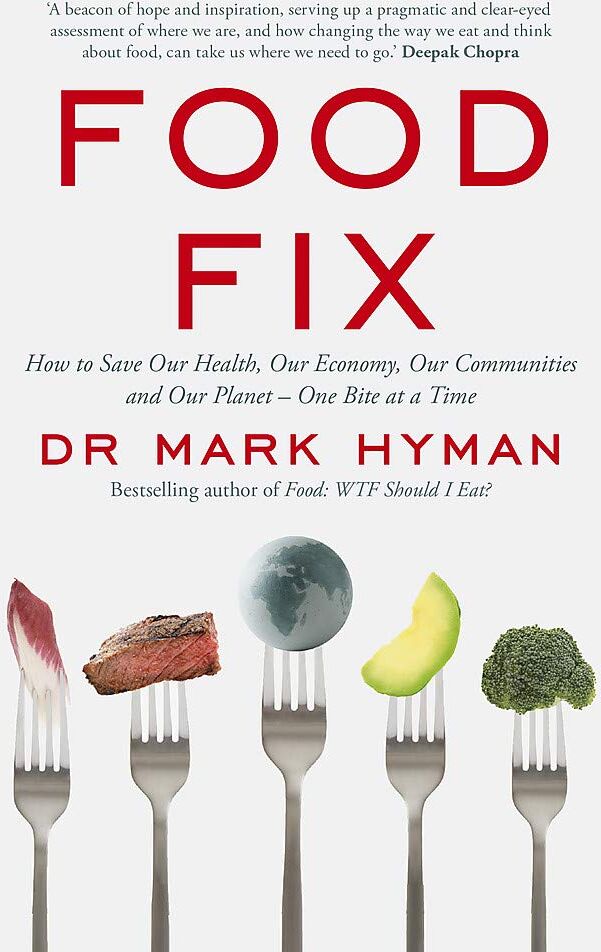
Yellow Kite Food Fix by Mark Hyman MD - Paperback - Food Policy, Health & Environment Non-Fiction BookFood Fix by Mark Hyman is a non-fiction paperback book that explores the connection between food and the crises facing society. Written by New York Times best-selling author and physician Mark Hyman, this book argues that fixing our broken food system could have a positive impact on our health, local economies, communities, and the planet. In Food Fix, Hyman lays bare how industrial food and agriculture systems are shaped by powerful financial interests, driving issues such as obesity and type 2 diabetes. This book is essential reading for anyone concerned about the intersection of food, health, and the environment.3,49 £*Shipping: 2,99 £Secure redirect to the provider
-
Research-powered Eye Duo - Skincare Kit Charlotte Tilbury 2896 Charlotte's Research-powered Eye Duo Size:Darlings, unlock the secret to eyes that appear brighter, depuffed, smoother and younger with my Research-Powered Eye Duo! This CharlotteTilbury.com EXCLUSIVE skincare duo includes:94,05 £*Shipping: 0,00 £Secure redirect to the provider
-
Nucleum: Energy Research Institute Board Game by Board and Dice - Strategic Economic Board Game with Energy Networks and Research DevelopmentBuild an industrial empire in an alternate twentieth century transformed by the Uranium Revolution. In Nucleum: Energy Research Institute, you compete to develop powerful energy networks, attract investment, and earn the support of influential patrons. Plan your routes, expand your research, and connect cities as you develop increasingly ambitious technologies. Every decision affects your progress, from choosing where to construct facilities to deciding when to pursue new contracts and partnerships. Careful resource management and long-term planning are essential as you compete to become a respected entrepreneur of the age. This strategic economic board game is set during an alternate industrial revolution, where you must balance research, investment, construction, and technological progress to succeed.21,79 £*Shipping: 3,95 £Secure redirect to the provider
-
What is the difference between paper chromatography and gas chromatography?
Paper chromatography involves the separation of compounds based on their affinity to the stationary phase (paper), while gas chromatography separates compounds based on their volatility and interaction with the mobile phase (gas). In paper chromatography, the mobile phase is a liquid solvent, whereas in gas chromatography, the mobile phase is a gas. Gas chromatography is typically more sensitive and provides better resolution compared to paper chromatography, making it more suitable for analyzing complex mixtures of compounds. **
-
What happens during chromatography?
During chromatography, a mixture of substances is separated into its individual components based on their different affinities for a stationary phase and a mobile phase. The sample is applied to the stationary phase, and the mobile phase is passed through the stationary phase. As the mobile phase moves through the stationary phase, the components of the mixture will interact differently with the stationary phase, causing them to separate and move at different rates. This results in the components being eluted from the column at different times, allowing for their individual identification and quantification. **
-
Is there a difference between chromatography and thin layer chromatography of amino acids?
Yes, there is a difference between chromatography and thin layer chromatography (TLC) of amino acids. Chromatography is a general term for a technique used to separate and analyze mixtures, while TLC is a specific type of chromatography that uses a thin layer of adsorbent material on a flat support to separate compounds. In the case of amino acids, both techniques can be used to separate and analyze the different amino acids present in a mixture, but TLC is a quicker and simpler method that is often used for preliminary analysis or for educational purposes. Traditional chromatography methods, such as high-performance liquid chromatography (HPLC), may offer higher resolution and sensitivity for more detailed analysis of amino acids. **
-
What is paper chromatography in chemistry?
Paper chromatography is a technique used in chemistry to separate and analyze mixtures of substances. It involves placing a small spot of the mixture on a strip of paper and then allowing a solvent to move up the paper through capillary action. As the solvent moves, it carries the different components of the mixture at different rates, causing them to separate based on their affinity for the paper and the solvent. This technique is commonly used in the identification of unknown substances and in the analysis of complex mixtures. **
Similar search terms for Chromatography
-
ENVIRONMENT Diffuser Inspired by The Wynn Hotel® - 200mLVegan and cruelty-free. Diffuser that is inspired by The Wynn Hotel®. Juicy green melon and nectarine blend into a heart of jasmine and lily ending with notes of blackberry and oakmoss.39,28 $*Shipping: 0,00 $Secure redirect to the provider
-
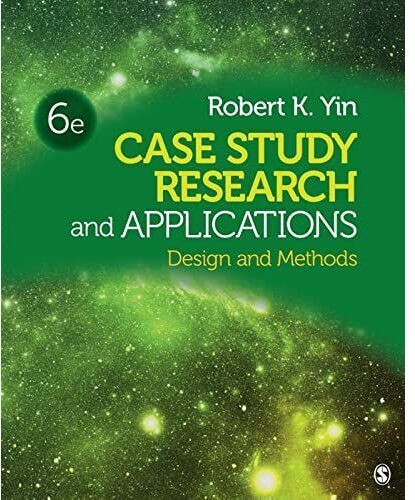
SAGE Publications Case Study Research and Applications: Design and MethodsRecognized as one of the most cited methodology books in the social sciences, the Sixth Edition of Robert K. Yin′s bestselling text provides a complete portal to the world of case study research. With the integration of 11 applications in this edition, the book gives readers access to exemplary case studies drawn from a wide variety of academic and applied fields. Ultimately, Case Study Research and Applications will guide students in the successful use and application of the case study research method.59,99 £*Shipping: 0,00 £Secure redirect to the provider
-
What is the principle of chromatography and can you provide an example of different chromatography methods?
Chromatography is a technique used to separate and analyze complex mixtures based on the differential interactions between the components of the mixture and a stationary phase. The principle of chromatography involves the sample being dissolved in a mobile phase and passed through a stationary phase. The components of the sample interact differently with the stationary phase, causing them to separate based on their affinity for the stationary phase. There are various types of chromatography methods, including gas chromatography (GC), liquid chromatography (LC), and high-performance liquid chromatography (HPLC). In gas chromatography, the mobile phase is a gas, while in liquid chromatography, the mobile phase is a liquid. HPLC is a more advanced form of liquid chromatography that uses high pressure to separate components more efficiently. **
-
What is the principle of chromatography and can you give an example of different chromatography methods?
Chromatography is a technique used to separate and analyze complex mixtures based on the differential interactions between the components of the mixture and a stationary phase. The principle of chromatography involves the sample being dissolved in a mobile phase and passed through a stationary phase, where the components of the sample interact differently with the stationary phase, causing them to separate. There are several types of chromatography methods, including gas chromatography (GC), liquid chromatography (LC), and high-performance liquid chromatography (HPLC). In gas chromatography, the mobile phase is a gas, while in liquid chromatography, the mobile phase is a liquid. High-performance liquid chromatography is a more advanced form of liquid chromatography that uses high pressure to separate components more efficiently. **
-
How can one explain chromatography in kindergarten?
Chromatography can be explained in kindergarten by using simple language and visuals. One way to explain it is by comparing it to how colors separate when they mix in water. Children can be shown how different colors in markers or food coloring separate and spread out on a paper strip when placed in water. This can help them understand that chromatography is a process that separates different colors or substances based on how fast they move through a material. Overall, using hands-on activities and simple explanations can make chromatography understandable and engaging for kindergarteners. **
-
What is chromatography and how does it work?
Chromatography is a technique used to separate and analyze mixtures of substances based on their different properties. It works by passing a mixture through a stationary phase, which can be a solid or liquid, and a mobile phase, which carries the mixture through the stationary phase. The components of the mixture interact differently with the stationary phase, causing them to move at different rates and separate from each other. This allows for the identification and quantification of the individual components in the mixture. **
* All prices are inclusive of VAT and, if applicable, plus shipping costs. The offer information is based on the details provided by the respective shop and is updated through automated processes. Real-time updates do not occur, so deviations can occur in individual cases. ** Note: Parts of this content were created by AI.