Buy wageningenuniversity.eu ?
We are moving the project
wageningenuniversity.eu .
Are you interested in purchasing the domain
wageningenuniversity.eu ?
domain@kv-gmbh.de · 0541-91531010
Buy wageningenuniversity.eu ?
What does "tierische Angst" mean?
"Tierische Angst" is a German phrase that translates to "animal fear" in English. It is used to describe an intense and primal fear that is often associated with animals. This phrase conveys the idea of a fear that is instinctual and deeply rooted in our primal instincts. **
What does Angst 1550 mean?
Angst 1550 refers to a specific type of anxiety or fear that was prevalent during the 16th century in Europe. This term is often used to describe the existential dread and unease that people felt during this time period, particularly in relation to the religious and political upheavals that were occurring. The term "Angst" itself comes from German and can be translated to mean fear, anxiety, or dread. Therefore, Angst 1550 represents a specific historical context in which these feelings were particularly pronounced. **

Similar search terms for Angst
Top-Angebote
Products related to Angst:
-
Nucleum: Energy Research Institute Board Game by Board and Dice - Strategic Economic Board Game with Energy Networks and Research DevelopmentBuild an industrial empire in an alternate twentieth century transformed by the Uranium Revolution. In Nucleum: Energy Research Institute, you compete to develop powerful energy networks, attract investment, and earn the support of influential patrons. Plan your routes, expand your research, and connect cities as you develop increasingly ambitious technologies. Every decision affects your progress, from choosing where to construct facilities to deciding when to pursue new contracts and partnerships. Careful resource management and long-term planning are essential as you compete to become a respected entrepreneur of the age. This strategic economic board game is set during an alternate industrial revolution, where you must balance research, investment, construction, and technological progress to succeed.21,79 £*Shipping: 3,95 £Secure redirect to the provider
-
SAGE Publications Case Study Research and Applications: Design and MethodsRecognized as one of the most cited methodology books in the social sciences, the Sixth Edition of Robert K. Yin′s bestselling text provides a complete portal to the world of case study research. With the integration of 11 applications in this edition, the book gives readers access to exemplary case studies drawn from a wide variety of academic and applied fields. Ultimately, Case Study Research and Applications will guide students in the successful use and application of the case study research method.59,99 £*Shipping: 0,00 £Secure redirect to the provider




-
Why is "Angst haben" capitalized and why are "Angst" and "bange" written in lowercase?
In German, nouns are always capitalized, while adjectives and verbs are written in lowercase. "Angst haben" is a verb phrase, with "Angst" being the noun and "haben" being the verb. Therefore, "Angst" is capitalized as a noun, while "haben" is written in lowercase as a verb. Similarly, "bange" is an adjective that describes the noun "Angst," so it is also written in lowercase. **
-
What does "keine Angst 4" mean?
"Keine Angst 4" is German for "No Fear 4" in English. The phrase "keine Angst" translates to "no fear" or "don't be afraid" in English, and the number 4 indicates that it is the fourth installment or version of something. Overall, "keine Angst 4" conveys a message of courage, confidence, and fearlessness. **
-
What does "gedankenlaut durch Angst" mean?
"Gedankenlaut durch Angst" is a German phrase that translates to "thought sounds through fear" in English. It refers to the phenomenon of experiencing auditory hallucinations or hearing internal thoughts more vividly when feeling fearful or anxious. This can occur when the brain is in a heightened state of arousal, causing an individual to perceive their thoughts as external sounds. This phenomenon is often associated with anxiety disorders and can be distressing for those who experience it. **
-
What is the meaning of Angst 1349?
Angst 1349 is a Norwegian black metal band that formed in 1991. The name "Angst" is a German word that translates to "fear" or "anxiety," and 1349 is a reference to the year the Black Death plague arrived in Norway. Therefore, the band's name can be interpreted as a reference to the fear and darkness associated with the historical plague, which aligns with the dark and intense themes often found in black metal music. **


What is the meaning of Angst 1570?
Angst 1570 is a term used to describe a feeling of intense anxiety, dread, or existential unease. It originates from the German word "Angst," which refers to a deep-seated fear or apprehension. The number 1570 is often added to the term to signify the year in which the word "Angst" was first recorded in the German language. Overall, Angst 1570 captures the profound sense of fear and unease that has been a part of human experience for centuries. **
What is the meaning of Angst 1514?
Angst 1514 is a term that refers to a specific type of anxiety or fear that is associated with the year 1514. This term is often used to describe a feeling of existential dread or unease, particularly in relation to historical events or cultural shifts. The year 1514 was a time of significant change and upheaval in Europe, and the term Angst 1514 is used to capture the sense of uncertainty and fear that may have been prevalent during that period. It is also used more broadly to describe a feeling of anxiety or apprehension about the future, particularly in a historical or cultural context. **
Top-Angebote
Products related to Angst:
-
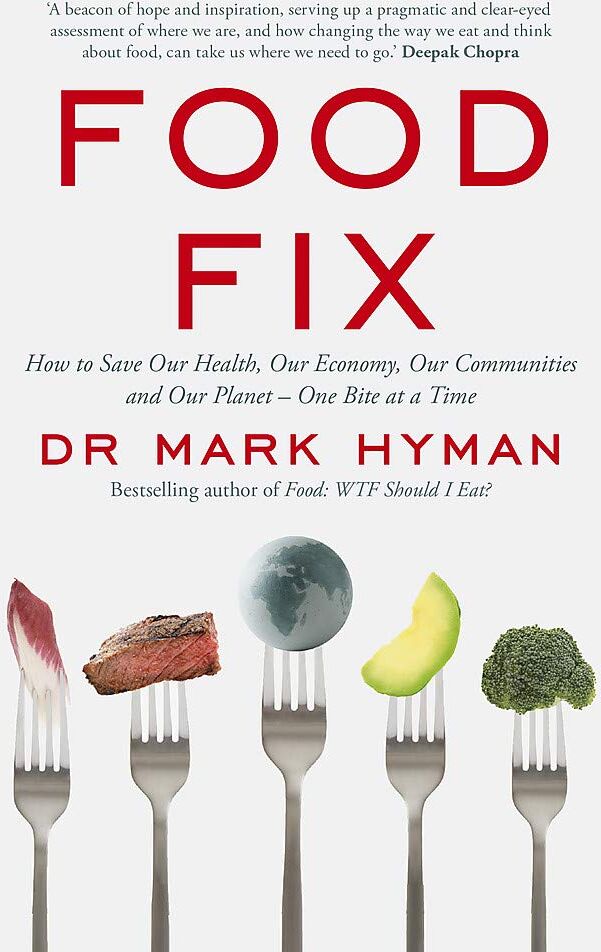
Yellow Kite Food Fix by Mark Hyman MD - Paperback - Food Policy, Health & Environment Non-Fiction BookFood Fix by Mark Hyman is a non-fiction paperback book that explores the connection between food and the crises facing society. Written by New York Times best-selling author and physician Mark Hyman, this book argues that fixing our broken food system could have a positive impact on our health, local economies, communities, and the planet. In Food Fix, Hyman lays bare how industrial food and agriculture systems are shaped by powerful financial interests, driving issues such as obesity and type 2 diabetes. This book is essential reading for anyone concerned about the intersection of food, health, and the environment.3,49 £*Shipping: 2,99 £Secure redirect to the provider
-
Research-powered Eye Duo - Skincare Kit Charlotte Tilbury 2965 Charlotte's Research-powered Eye Duo Size:Darlings, unlock the secret to eyes that appear brighter, depuffed, smoother and younger with my Research-Powered Eye Duo! This CharlotteTilbury.com EXCLUSIVE skincare duo includes:94,05 £*Shipping: 0,00 £Secure redirect to the provider
-
Nucleum: Energy Research Institute Board Game by Board and Dice - Strategic Economic Board Game with Energy Networks and Research DevelopmentBuild an industrial empire in an alternate twentieth century transformed by the Uranium Revolution. In Nucleum: Energy Research Institute, you compete to develop powerful energy networks, attract investment, and earn the support of influential patrons. Plan your routes, expand your research, and connect cities as you develop increasingly ambitious technologies. Every decision affects your progress, from choosing where to construct facilities to deciding when to pursue new contracts and partnerships. Careful resource management and long-term planning are essential as you compete to become a respected entrepreneur of the age. This strategic economic board game is set during an alternate industrial revolution, where you must balance research, investment, construction, and technological progress to succeed.21,79 £*Shipping: 3,95 £Secure redirect to the provider
-
What does "tierische Angst" mean?
"Tierische Angst" is a German phrase that translates to "animal fear" in English. It is used to describe an intense and primal fear that is often associated with animals. This phrase conveys the idea of a fear that is instinctual and deeply rooted in our primal instincts. **
-
What does Angst 1550 mean?
Angst 1550 refers to a specific type of anxiety or fear that was prevalent during the 16th century in Europe. This term is often used to describe the existential dread and unease that people felt during this time period, particularly in relation to the religious and political upheavals that were occurring. The term "Angst" itself comes from German and can be translated to mean fear, anxiety, or dread. Therefore, Angst 1550 represents a specific historical context in which these feelings were particularly pronounced. **
-
Why is "Angst haben" capitalized and why are "Angst" and "bange" written in lowercase?
In German, nouns are always capitalized, while adjectives and verbs are written in lowercase. "Angst haben" is a verb phrase, with "Angst" being the noun and "haben" being the verb. Therefore, "Angst" is capitalized as a noun, while "haben" is written in lowercase as a verb. Similarly, "bange" is an adjective that describes the noun "Angst," so it is also written in lowercase. **
-
What does "keine Angst 4" mean?
"Keine Angst 4" is German for "No Fear 4" in English. The phrase "keine Angst" translates to "no fear" or "don't be afraid" in English, and the number 4 indicates that it is the fourth installment or version of something. Overall, "keine Angst 4" conveys a message of courage, confidence, and fearlessness. **
Similar search terms for Angst
-
SAGE Publications Case Study Research and Applications: Design and MethodsRecognized as one of the most cited methodology books in the social sciences, the Sixth Edition of Robert K. Yin′s bestselling text provides a complete portal to the world of case study research. With the integration of 11 applications in this edition, the book gives readers access to exemplary case studies drawn from a wide variety of academic and applied fields. Ultimately, Case Study Research and Applications will guide students in the successful use and application of the case study research method.59,99 £*Shipping: 0,00 £Secure redirect to the provider
-
ENVIRONMENT Diffuser Inspired by The Wynn Hotel® - 200mLVegan and cruelty-free. Diffuser that is inspired by The Wynn Hotel®. Juicy green melon and nectarine blend into a heart of jasmine and lily ending with notes of blackberry and oakmoss.39,28 $*Shipping: 0,00 $Secure redirect to the provider
-
What does "gedankenlaut durch Angst" mean?
"Gedankenlaut durch Angst" is a German phrase that translates to "thought sounds through fear" in English. It refers to the phenomenon of experiencing auditory hallucinations or hearing internal thoughts more vividly when feeling fearful or anxious. This can occur when the brain is in a heightened state of arousal, causing an individual to perceive their thoughts as external sounds. This phenomenon is often associated with anxiety disorders and can be distressing for those who experience it. **
-
What is the meaning of Angst 1349?
Angst 1349 is a Norwegian black metal band that formed in 1991. The name "Angst" is a German word that translates to "fear" or "anxiety," and 1349 is a reference to the year the Black Death plague arrived in Norway. Therefore, the band's name can be interpreted as a reference to the fear and darkness associated with the historical plague, which aligns with the dark and intense themes often found in black metal music. **
-
What is the meaning of Angst 1570?
Angst 1570 is a term used to describe a feeling of intense anxiety, dread, or existential unease. It originates from the German word "Angst," which refers to a deep-seated fear or apprehension. The number 1570 is often added to the term to signify the year in which the word "Angst" was first recorded in the German language. Overall, Angst 1570 captures the profound sense of fear and unease that has been a part of human experience for centuries. **
-
What is the meaning of Angst 1514?
Angst 1514 is a term that refers to a specific type of anxiety or fear that is associated with the year 1514. This term is often used to describe a feeling of existential dread or unease, particularly in relation to historical events or cultural shifts. The year 1514 was a time of significant change and upheaval in Europe, and the term Angst 1514 is used to capture the sense of uncertainty and fear that may have been prevalent during that period. It is also used more broadly to describe a feeling of anxiety or apprehension about the future, particularly in a historical or cultural context. **
* All prices are inclusive of VAT and, if applicable, plus shipping costs. The offer information is based on the details provided by the respective shop and is updated through automated processes. Real-time updates do not occur, so deviations can occur in individual cases. ** Note: Parts of this content were created by AI.